Can Sliding Door Tracks and Rollers Be Matched to Different Door Thicknesses and Weights?
-
 admin
- 15 Oct, 2026
The short answer is yes. You need to pick the track and rollers carefully. Always think about your exact door panel during this whole process.
A sliding door usually looks like a basic item. The door just slides back and forth. At the same time, the track rests securely above. But in truth, several parts operate as a team. The track holds the main weight. Then, the rollers direct the motion. The hangers hold the panel securely in place. Plus, the wall or header holds up the whole setup.
This shows why a hardware kit made for a light closet door will break on a thick solid wood door. The two doors could have the exact same width. Yet, their hardware requirements are totally different.
To get a good outcome, look at the door thickness first. You also need to confirm the panel weight. Then, measure the opening size and the track length. Last, look closely at the mounting area before you buy any hardware.
The Two Measurements That Matter Most
Your first job is to measure the door panel itself. Do not only measure the empty doorway. A lot of setup problems occur due to this specific mistake. Installers usually measure the opening correctly. Yet, they totally ignore the real panel thickness or its total weight.
A hollow room door, a thick wood door, and a glass panel have highly varied weights. This point holds true even when their sizes match exactly. For this reason, they need different kinds of hardware.
Door thickness and door weight impact different parts of the installation. The thickness alters the space between the panel and the nearby wall. At the same time, the weight decides the required durability of the parts. These pieces include the track, the rollers, the hangers, and the mounting spots.
Why Door Thickness Affects Installation
The thickness of the panel sets the distance from the wall. It also changes the position of the hanger. In addition, it affects how the panel lines up with the floor guide.
Many interior sliding door systems fit panels from 3/4 inch to 1 3/4 inches thick. This size range is very common. You will see it in bedrooms, wardrobes, offices, bathrooms, and other indoor spaces.
However, two products made for the same thickness can require different setup steps. One system might be for a pocket door. Another system might be for a wall mounted barn door. Because of this, their hanger locations and mounting methods will not be the same.
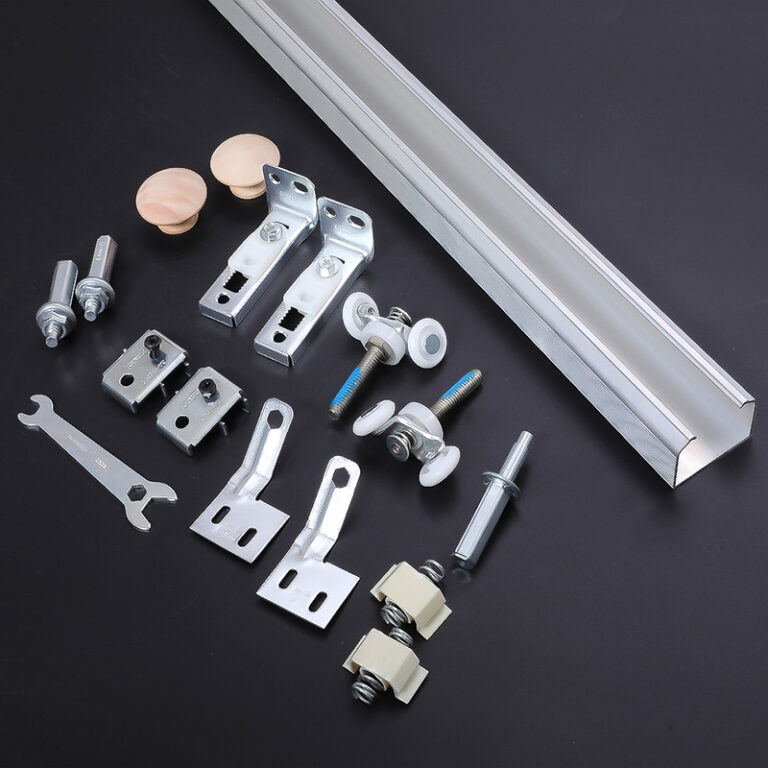
Adjustable rollers are very helpful in these situations. They allow the installer to move the panel slightly up or down. You do this after hanging the door. This function corrects small bumps or slopes in the floor, wall, or doorway.
Why Weight Affects Track Selection
You need to check the load rating against the weight of each panel. Imagine two sliding panels weigh 120 lb in total. Each panel probably weighs about 60 lb. So, you must select hardware based on the weight that each side holds.
It is a good idea to leave some extra capacity above the actual door weight. A door is rarely perfectly still. It starts and stops often. It also receives small bumps during regular daily use.
When you look at the sliding door track weight capacity, keep these details in mind:
The stated weight rating could apply to a single panel. It might also apply to the entire set.
The number of rollers can vary based on the specific model.
The header must be strong enough to support your selected track.
A busy door needs a stronger system than a matching door in a quiet room.
Do not push the door close to its maximum weight limit. You should only do this if the installation is extremely precise.
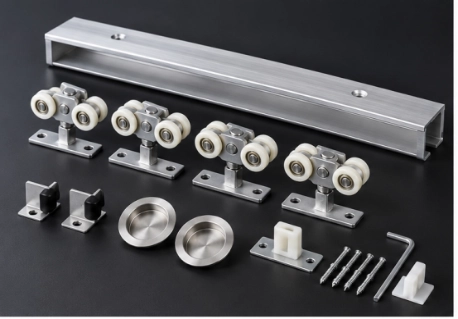
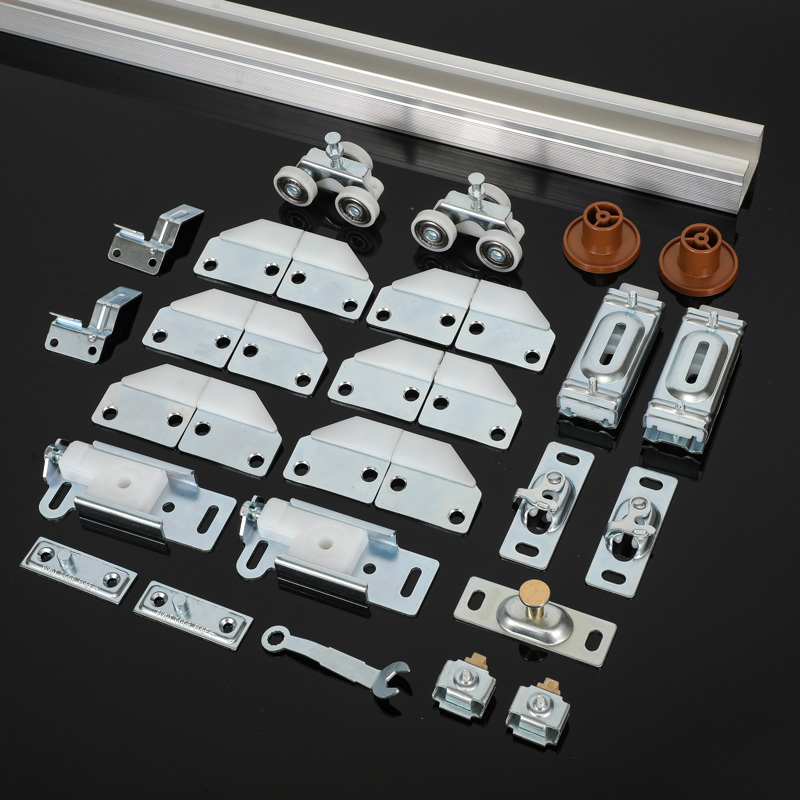
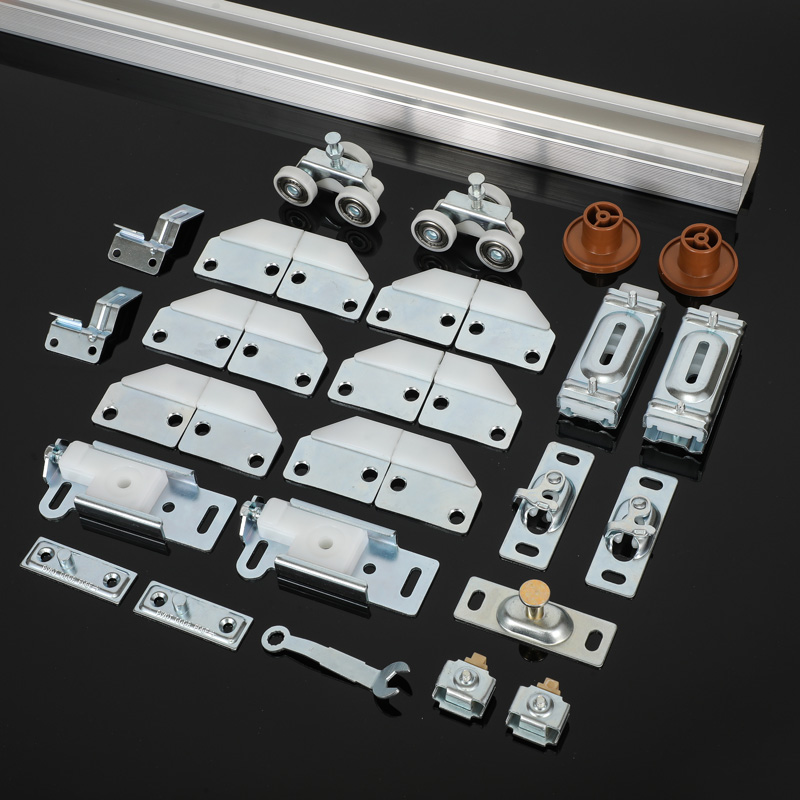
Our sliding door hardware systems offer many options. These include solutions for by pass doors and other indoor sliding setups. Some systems use slot adjustments. Other models use dial adjustments to make final changes.
Choosing the Right Track Material
Material changes more than just the track’s look. It also affects rigidity, surface toughness, rust resistance, and how smoothly the rollers glide.
A track placed inside a dry bedroom has different needs compared to one in a busy office, hotel, eatery, or damp room. You must evaluate the door weight and planned usage alongside the material.
Galvanized Steel
Galvanized steel is widely chosen when the track requires high strength. It fits perfectly with many pocket door and interior sliding systems.
This metal delivers excellent rigidity for medium and heavy panels. It also guards against normal indoor rust. A V groove shape can steer the rollers. This helps maintain their proper alignment during motion.
The track material forms just one aspect of the setup. If the header lacks strength or the mounting points are poorly placed, even a tough steel track will fail to work well.
Extruded Aluminum
Aluminum weighs less than steel. This makes it simpler to manage during setup. It also yields a sleeker look when the track stays in plain sight.
Builders often pick it for light and medium duty doors. It proves handy in tight spaces where you want to lower the weight of the overhead hardware.
The metal itself does not determine the final load rating. The track shape, roller build, mounting style, and panel weight must all align properly.
Stainless Steel
Stainless steel is a popular pick when visible hardware adds to the room’s design. Its polished look matches modern homes and commercial areas perfectly.
It also works well in places where the hardware encounters extra dampness. Even so, the look should not be the sole reason for buying a system. The track absolutely needs matching rollers and solid support.
Main Types of Sliding Door Hardware
Sliding door hardware falls into several groups. This happens because every door layout brings unique requirements.
By Pass Door Systems
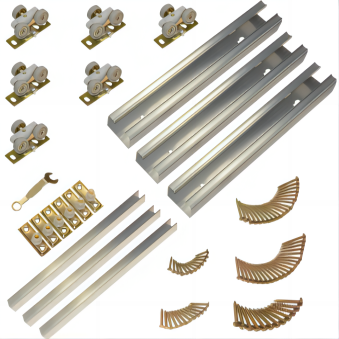
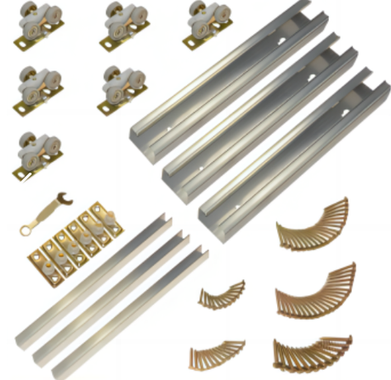
By pass doors are standard in closets and wardrobes. One panel glides behind the other. Thus, the doors require zero room to swing open.
Numerous systems in this group fit panels ranging from 3/4 inch to 1 3/8 inches thick. Light duty versions usually hold about 60 lb per panel.
Panel overlap matters greatly. If the overlap is too narrow, a gap might show when the doors shut. If it is too wide, the open space shrinks.
Pocket Door Systems
A pocket door slides right into the wall when opened. It works wonderfully in rooms lacking floor space. Examples include bathrooms, bedrooms, home offices, and tight hallways.
Pocket door hardware comes in various load levels. Based on the model, the system might hold doors weighing roughly 75 lb, 125 lb, 150 lb, 200 lb, or 250 lb.
Our pocket door track and frame kits come in multiple lengths and opening dimensions. Certain frame systems handle doors reaching 8 feet tall. Specific tracks can be cut down during setup if the doorway differs from a standard size.
A pocket door needs adequate wall depth. The builder must look for electrical wires, pipes, insulation, and other blocks before starting the work.
Bi Fold Door Systems
Bi fold doors collapse into sections as they open. People often place them in closets, storage areas, and wider doorways.
Light duty versions can hold panels up to 30 lb each. Sturdier systems handle bigger panels. Some choices are rated for two panels weighing up to 125 lb each.
The panel count alters the math. The width of each panel does too. A tiny error in panel sizing can ruin how the door folds and closes in the middle.
Our bi fold door hardware provides choices for various panel pairings and opening dimensions.
Wall Mounted Barn Doors
A wall mounted barn door stays in full view when opened. Its track goes right above the doorway. This means the hardware acts as a piece of the room’s decor.
These systems normally pair with doors that are 1 3/8 inch or 1 3/4 inches thick. Based on the exact item, the load rating might hit 200 lb or 220 lb per door.
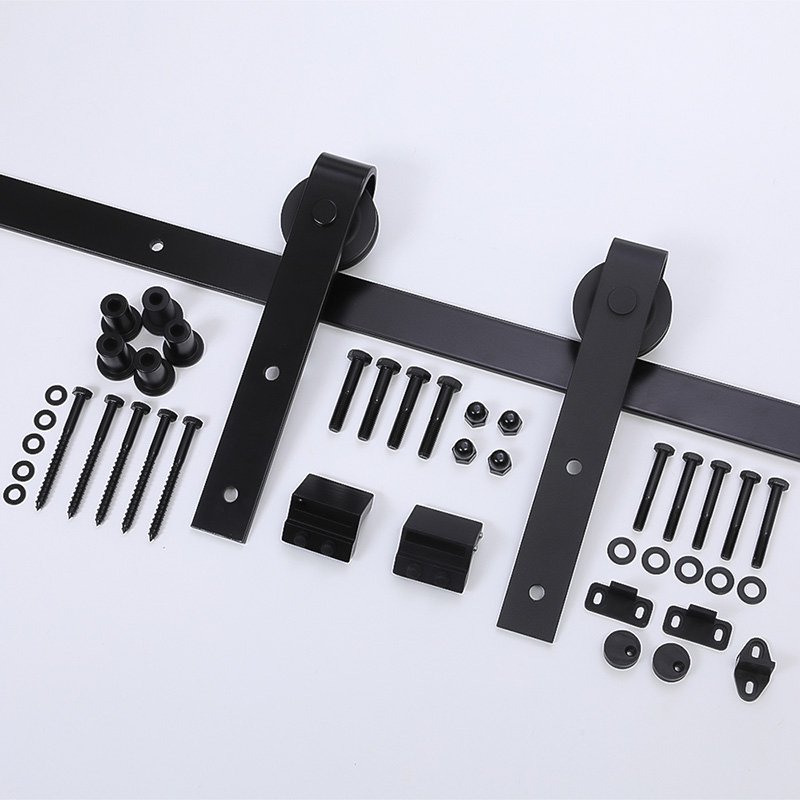
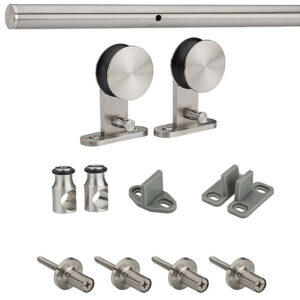
Our barn door track hardware features standard, spliced, flat, double door, bi fold, and stainless steel varieties.
Hidden Barn Door Systems
Hidden barn door hardware is the top pick for a minimalist look. Most of the track and rolling parts stay hidden behind the door or inside the nearby walls.
Builders use this style in bedrooms, home offices, sleek living areas, and remodel jobs. It preserves the sliding action while hiding the bulky hardware.
Our hidden barn door systems feature home-friendly options for standard door thicknesses and opening widths.
Features That Improve Daily Use
A quality sliding door system has to work nicely once installed. The wood or glass panel must move easily. You should not have to push it hard. Furthermore, it needs to halt without making a loud bang.
Adjustable Rollers
Adjustable rollers make the last installation stages much easier. They help the installer get the door perfectly level. In addition, these parts maintain a consistent gap between the bottom edge and the ground.
This specific feature is very helpful for later maintenance. Sometimes a panel moves a little bit as time passes. When this happens, you can simply correct the height. You will not need to replace the whole track assembly.
Soft Closing
Soft close sliding door hardware carefully slows down the panel near the end of its path. This action significantly limits annoying sounds. It also lowers the physical impact against the frame stop.
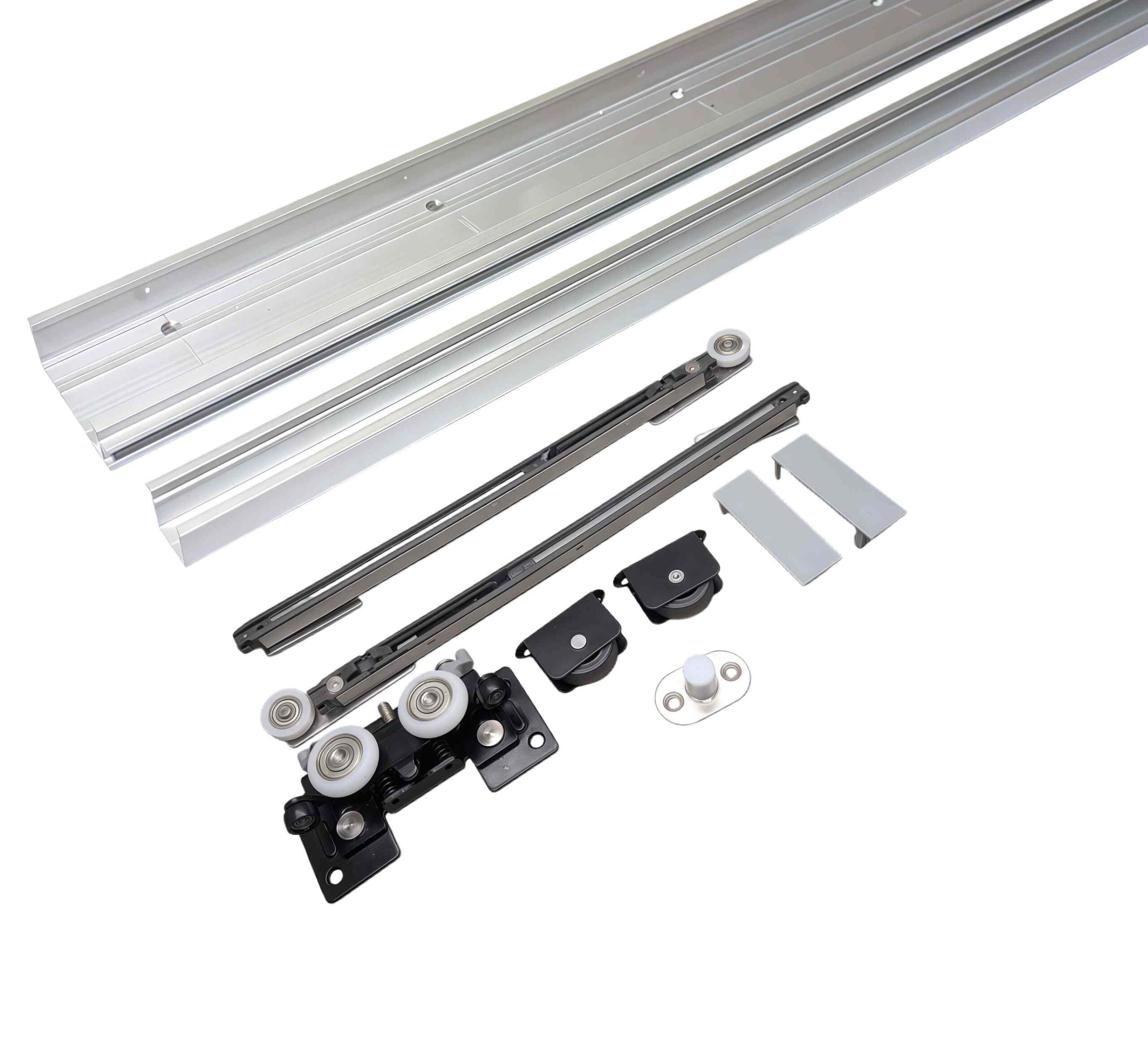
Such a function is wonderful for bedrooms and hotel suites. It works great in offices or any area that requires peace. INT-FORCE offers reliable soft closer units for certain pocket door systems. These choices include both three wheel and four wheel designs.
Track Length
The track length determines how far the door can actually travel. Additionally, it controls the center overlap. It also decides the final width of your clear walkway.
You really need to measure the finished opening before you purchase any components. The installer must check the exact door width. They should look at the stop location and the available wall area. Finally, they must confirm there is enough space for the panel to sit when completely open.
Where These Systems Are Used
Sliding door tracks and rollers are found inside normal houses. They are also common in commercial buildings and various furniture items.
People use them frequently in bedrooms and bathrooms. You will see them on wardrobes, apartments, and modern offices. They exist in hotels, meeting rooms, retail stores, and restaurants. Clinics, schools, cabinets, and storage spaces rely on them too.
At INT-FORCE, we have focused entirely on interior sliding door rail systems and hardware accessories since 2002. We manufacture pocket door, bi fold, by pass, barn door, and hidden door assemblies to meet different building requirements. We gladly support OEM and ODM partnerships. This happens whenever a standard item does not fit a customer’s specific doorway or panel dimensions.
Conclusion
Sliding door tracks and rollers definitely accommodate many different door thicknesses and weights. Your purchasing journey must begin with accurate details about the actual panel.
The thickness changes the required wall clearance. It affects the hanger position and your adjustment choices. Meanwhile, the weight decides the necessary strength of the track, rollers, hangers, and wall brackets. The overall opening style is equally important. Pocket doors, by pass doors, bi fold doors, and barn doors all depend on very specific hardware arrangements.
Before you buy anything, double check the panel weight and thickness. You must know the width, track length, load rating, and the exact mounting points. For doorways that experience constant traffic, adjustable rollers and a soft closer deliver a huge improvement.
A correctly chosen system will slide without any trouble. It will remain perfectly straight and close quietly. Furthermore, it will continue to function beautifully even after many years of daily use.
FAQs
Q: Can sliding door tracks and rollers fit different door thicknesses?
A: Yes, they certainly can. Many available systems easily hold panels ranging from 3/4 inch all the way up to 1 3/4 inches thick.
Q: What load rating should I choose?
A: Always select a capacity rating that is higher than the actual panel weight. Solid examples include 150 lb or 250 lb limits.
Q: Are adjustable rollers useful after installation?
A: Yes, they are highly beneficial. They help in keeping the panel level. They also allow you to fix small gaps quickly.
Tags: