What Helps Invisible Sliding Door Hardware Stay Stable and Serviceable After Installation?
-
 admin
- 23 Oct, 2026
What Helps Invisible Sliding Door Hardware Stay Stable and Serviceable After Installation?
A hidden door easily makes any room feel quiet and spacious. However, the hardware gets tough to check once the track hides behind a wall or trim. Tiny mounting mistakes might appear months down the road. You might see a door that scrapes, slides on its own, shakes, or fails to shut properly.
A durable lifespan begins long before you cover the track. Panel weight, door thickness, track material, wall support, and roller settings are all crucial factors. The best setup relies on the specific opening. It also depends on how people will operate the door. This guide explores these options for builders, designers, suppliers, and building owners. They all require a hidden system that stays functional long after the project ends.

Start with the Door, Not the Finish
A flawless setup requires matching the physical load and exact sizes to the hardware. Visual details should wait. First, you must verify the panel’s final thickness, width, and height. You also need to know its true weight. This total must include any glass, mirrors, or surface coatings.
Check weight and thickness together
A track’s top weight limit does not guarantee success for every door type. The door panel must properly fit the roller and hanger style. Furthermore, installers must attach the track to a solid frame. Placing a heavy door on a weak system puts severe stress on the rollers and screws. Conversely, a very light panel might function badly if the hardware ignores its exact sizes.
The INT-FORCE product line features pocket door track kits for panels measuring 1 to 1-3/4 inches thick. These kits offer listed weight capacities ranging from 150 to 250 pounds. Additionally, their hidden sliding door selection outlines a two-door bypass setup. This specific setup handles panels between 3/4 and 1-3/8 inches thick, weighing up to 60 pounds each. These represent distinct systems built for unique tasks. You cannot swap their ratings.
Before placing an order, make sure to record:
- The door thickness and the complete finished weight
- The total panel count and whether they bypass or slide alone
- The exact opening width and height
- The existing wall or header framing support
- The available room for the track, rollers, floor guides, and any soft closer
Allow for real installation conditions
A product manual cannot confirm if your wall framing is perfectly straight. It also cannot show if the floor slopes slightly across the doorway. You must inspect these physical details at the job site. Even a slightly tilted track might cause a door to roll by itself. A warped top header often leads to uneven roller pressure. This uneven contact can easily generate unwanted noise or friction.
These facts matter greatly for hidden setups. Future repairs might force you to remove baseboards or cut into the drywall. Always verify the framing strength and track alignment before sealing the wall space.
Choose Track and Roller Materials for the Setting
The track material directly impacts rigidity, rust protection, and overall system purpose. Your ideal selection relies heavily on the panel weight, room climate, and mounting layout. You should never base this choice on looks alone.
Steel and galvanized steel
Builders frequently use steel tracks when a setup requires a rigid rolling path. This metal provides excellent support for massive panels. Galvanized steel includes a special surface layer. This coating helps block rust during normal indoor use. However, you must pair the metal finish and hardware with the actual room climate. Constant dampness or frequent contact with harsh cleaners demands a careful hardware review.
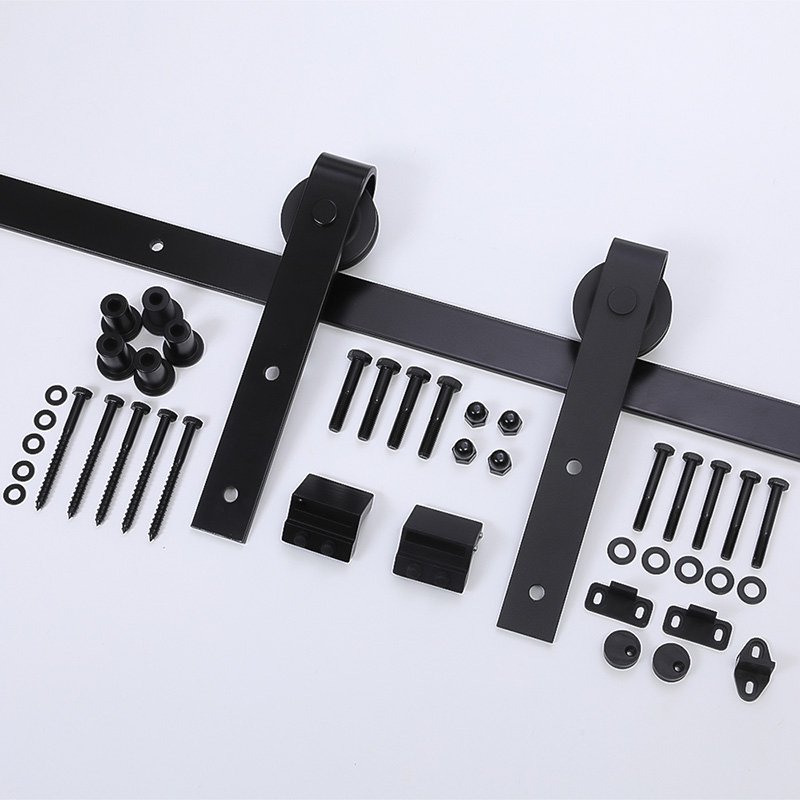
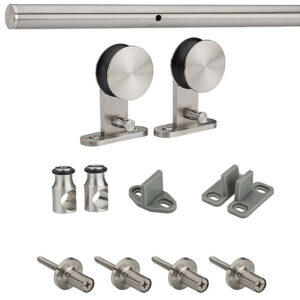
INT-FORCE includes roll-formed galvanized steel tracks within its pocket door choices. The manufacturer also produces wall-mounted barn door systems. These specific kits feature maximum panel weights of 200 or 220 pounds, depending entirely on the model. These numbers strictly apply to the specified setups. Installers must double-check the chosen unit and its unique wall mounting rules.
Extruded aluminum
Aluminum tracks prove highly useful when a hidden setup demands a sleek shape and strict measurements. INT-FORCE highlights a highly accurate aluminum track for its hidden door hardware. In reality, the track profile, metal thickness, length, and screw locations hold massive importance. These factors matter just as much as the metal type itself. You should never assume aluminum holds the exact same weight as a steel track. They might look identical after the builders finish the wall, but their strengths differ.
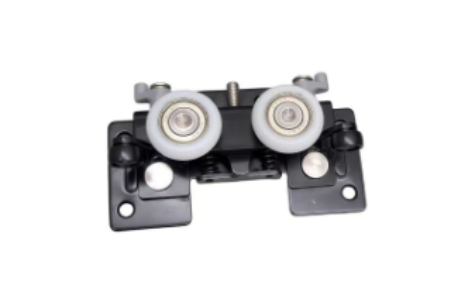
The rolling wheels also require careful thought. Their internal bearings, outer wheel shape, and track fitment dictate the sliding smoothness. A wheel assembly must stay firmly locked inside the track during operation. Meanwhile, the bottom floor guide actively prevents the panel from swinging. Together, these parts ensure the door glides along its correct route. This prevents the wood from scraping against the nearby drywall or door frame.
Make Adjustment Possible Before the Wall Is Closed
Hidden hardware stays easy to fix when workers can easily touch the adjustable parts. During the initial setup, confirm that you can change the roller height after hanging the door. You also need to ensure the end stops, floor guides, and closer remain accessible for final tweaks.
Roller adjustment helps correct small differences
Adjustable sliding door rollers easily help installers balance a panel. They also dictate the gap between the door bottom and the flooring. Certain setups utilize a slotted screw method. Other brands provide a turning dial or a comparable tool. The official product details for INT-FORCE feature both slot-adjust and dial-adjust bypass kits. These specific kits support panels weighing up to 60 pounds apiece.
Tweaking the hardware works wonderfully for fixing minor height gaps or slight floor slopes. However, it cannot fix a flimsy top header or a poorly mounted track. It also fails if the panel weighs more than the hardware limits. If a door demands constant fixing, you must inspect the wood framing and track straightness. Do this before you alter the roller height one more time.
Soft close is a component, not a cure
Soft close sliding door hardware successfully lessens harsh slams. This feature makes everyday use much quieter. However, it introduces extra pieces that demand precise positioning and future access. Buyers must pick a closer that matches the specific door weight and the chosen track. Installers must then test it across the entire sliding distance. If the panel halts too early or the grabber fails to connect, never push it hard. Forcing the door will break the internal springs.
Silent movement offers a wonderful advantage for houses, hotel rooms, and busy offices. Yet, this feature must never replace picking the right weight capacity. It also cannot fix a badly secured track.
Keep Service Access in the Plan
Hidden systems appear incredibly basic after completion. Nevertheless, they remain complex mechanical units. Wheels slowly wear down over time. Screws might vibrate loose, and heavy dust often gathers inside the metal channel. A maintenance strategy does not have to be difficult. It simply needs to be achievable.
Plan the access route
You must decide how a repair worker will touch the rollers, bumpers, and closer. Make this choice before attaching the final trim or drywall. Certain designs permit easy entry straight through the doorway. Other layouts might require a detachable trim board or a small access hatch. Always store the setup notes and exact product model numbers alongside the main house documents. This simple step saves massive time when you need to buy spare parts later.
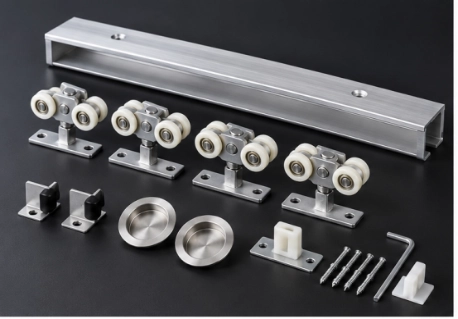
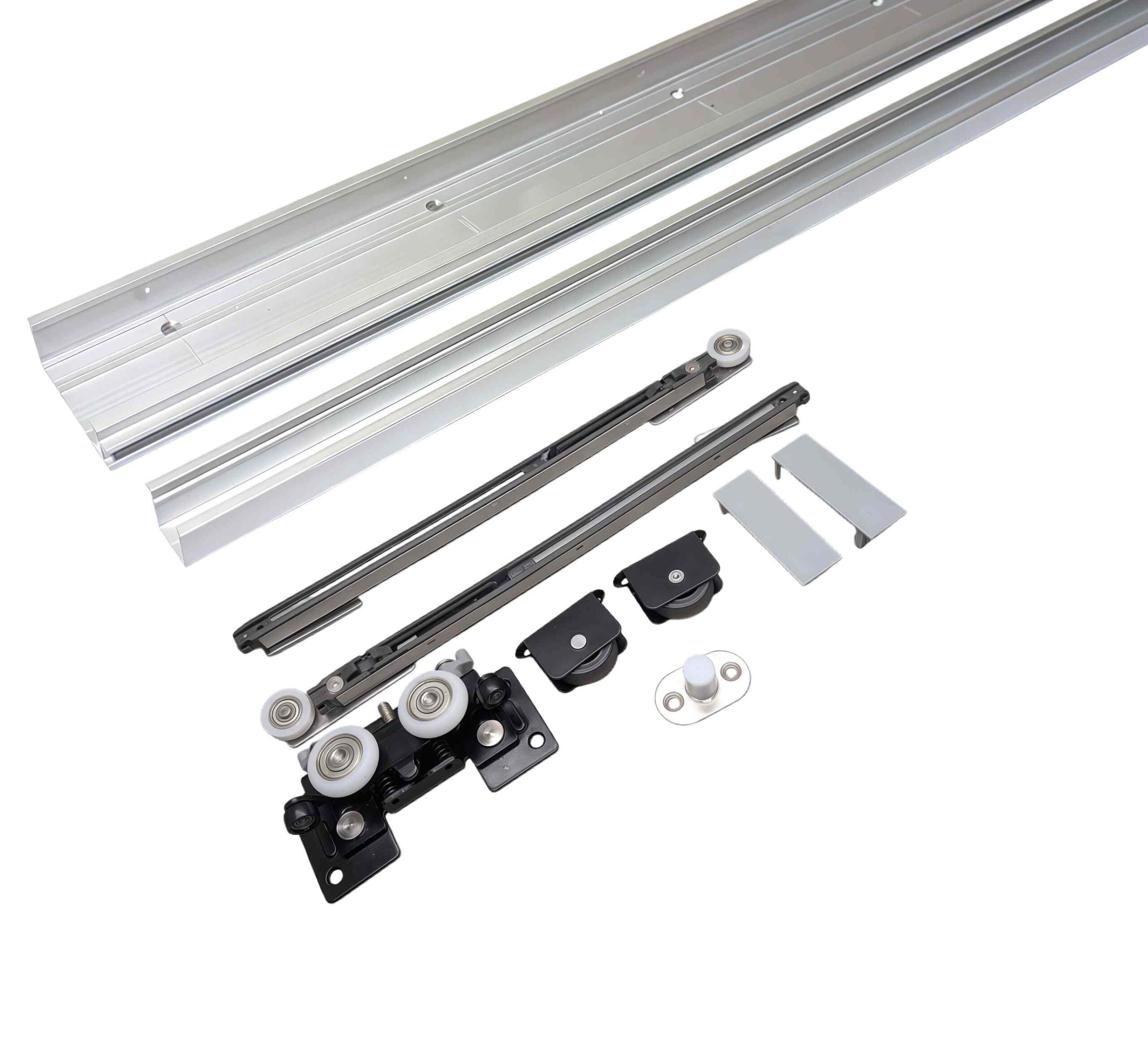
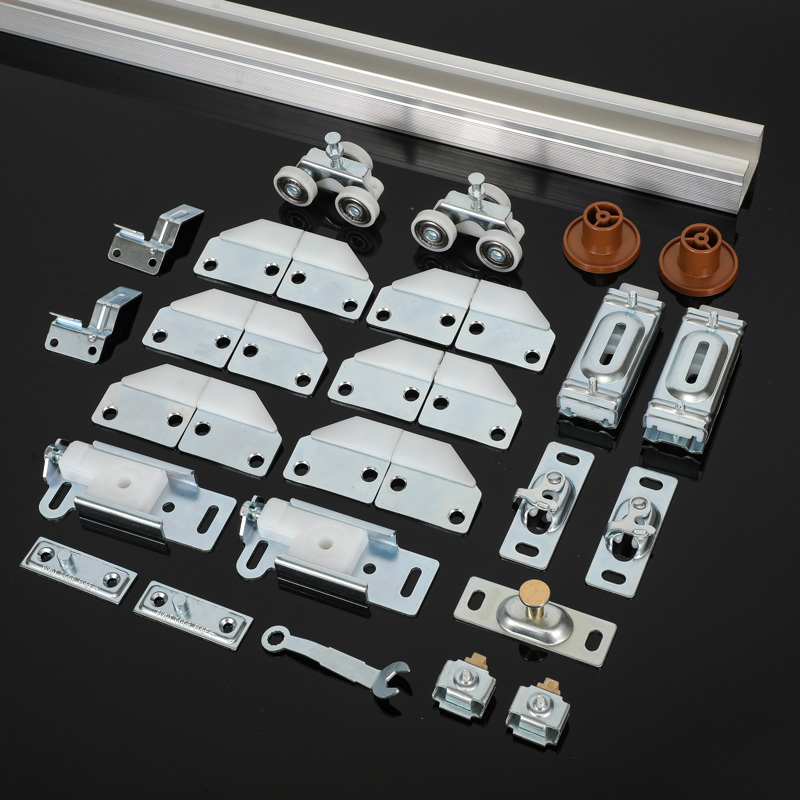
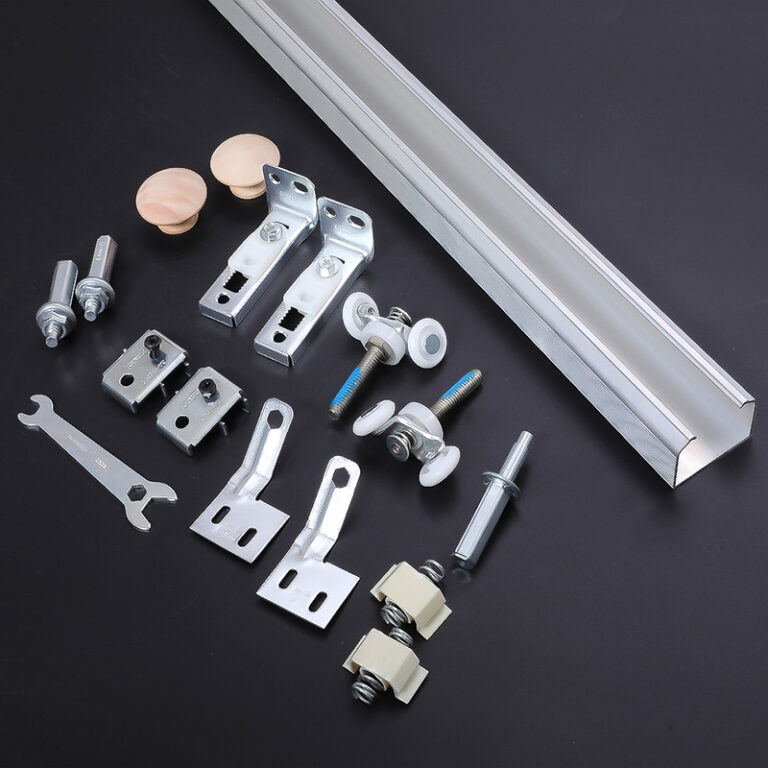
The INT-FORCE hidden barn door range offers concealed track goods meant for home interiors. Their official catalog showcases a sleek aluminum track and a fully hidden visual style. It also lists vital parts like upper and lower wheels, a sturdy floor guide, and a soft closer. These distinct pieces serve as a strong warning. The word “hidden” only describes the final visual result. It does not mean the system lacks moving parts that require future checks.
Use a simple maintenance routine
For any frequently moved door, owners can easily add upkeep into normal house inspections:
- Wipe away heavy dust and loose dirt from the metal track.
- Verify that all screws stay firmly tightened. Ensure the track has not moved out of place.
- Search for fresh scrape marks or strange sounds. Notice if the door slowly slides shut when left alone.
- Operate the soft closer manually. Confirm that the heavy panel hits both end bumpers perfectly.
- Read the hardware manufacturer instructions before spraying any oil. Certain sprays easily trap dirt or damage the plastic wheels.
Hearing a strange new noise usually helps more than a scheduled calendar alert. It often acts as a fast warning that the panel sits crooked. It might also mean that dirt has blocked the rolling channel.
Select a System for the Application
Builders install concealed sliding hardware inside many different building types. The doorway size, daily foot traffic, and repair access vary wildly. These factors change drastically between private houses, luxury hotels, busy offices, and large apartment buildings.
During home remodels, a hidden track keeps the hallway looking tidy. It easily divides a bedroom, storage closet, or washroom. Inside hotel settings, silent shutting and fast repair access hold higher value. This happens because guests operate the doors constantly. Corporate and retail jobs usually force the design crew to match the hardware with the wall framing. They must also meet soundproofing targets and strict wheelchair access laws. These legal rules change depending on the city. Therefore, architects must review the local building codes during the early planning stage.
A hidden track does not always provide the smartest solution. A standard wall-mounted barn door system keeps most of the metal parts fully visible. This style makes visual inspections much simpler. A traditional pocket door system hides the panel entirely inside a hollow wall. This method saves valuable floor room. However, it demands extremely careful planning during framing. For tight wardrobe doorways, bi-fold door hardware delivers a great compact alternative. Lastly, the sliding door range handles standard bypass layouts. In these setups, multiple panels glide closely past each other.
Modern room designs strongly favor compact floor plans. They also demand silent operation and completely hidden metal parts. These market trends make concealed tracks and soft closers highly popular today. However, these choices also boost the absolute need for proper repair planning. A beautiful wall finish easily hides the moving parts. Still, it must never turn a simple repair job into an impossible nightmare.
Conclusion
Reliable invisible sliding door hardware results from a series of smart choices. Always match the wood panel’s weight and depth to the exact track and wheel system. Verify the top header strength before starting the job. Ensure you mount the track perfectly flat. Also, leave plenty of room to tweak or swap out broken pieces later. Standard steel, galvanized steel, and extruded aluminum all serve unique purposes. However, the metal label alone never dictates the maximum load or total lifespan. For property owners and building crews, the best questions remain very basic. What exact door needs support? How many times a day will it slide? How will a worker touch the hardware after the painters finish the wall? Solving these puzzles early stops annoying sounds and harsh scraping. It also prevents wildly expensive future repairs.
FAQs
Q: What thickness can invisible sliding door hardware support?
A: It relies heavily on the chosen setup. The official INT-FORCE listings feature panels ranging from 3/4 inch up to 1-3/4 inches thick.
Q: How often should concealed sliding door hardware be checked?
A: You should examine the parts during regular house upkeep. Also, check it immediately whenever the panel creates loud noises, scrapes the floor, or rolls unevenly.
Q: Does soft close increase the door’s weight rating?
A: No, it does not. A soft closer merely manages the stopping speed. The main track and wheel assembly must still handle the actual door weight.
Tags:
No prev page
Previous Post